Free Shipping over $99! (most areas) Make Stunning Collages for Free! ✨ New: AI + Human Support is live! Click to chat in any language.
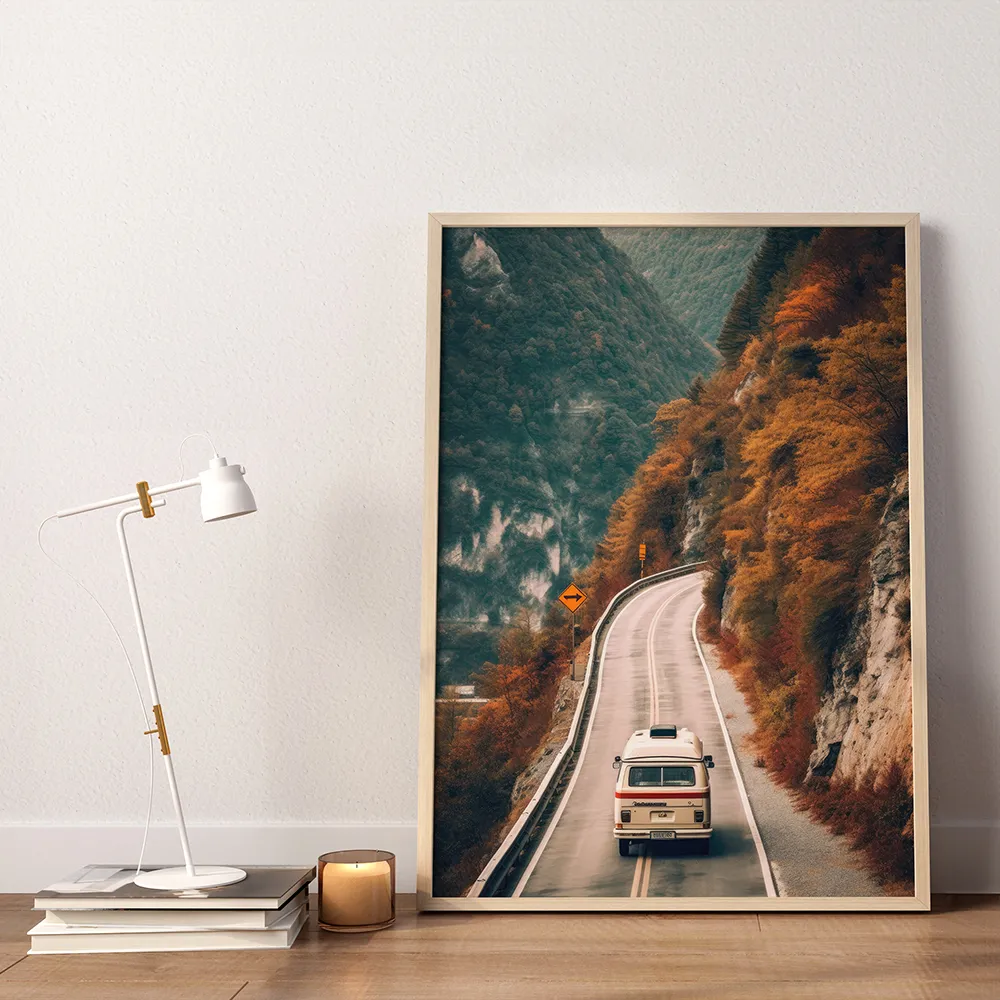

Artificial Intelligence (AI) is transforming industries across the globe, and the art world is no exception. This technological advancement is not merely a tool for artists; it’s a revolutionary force reshaping how we create, interpret, and experience art.
The AI Art Revolution has sparked a seismic shift in the creative landscape. By introducing algorithms into the artistic process, AI has blurred the lines between human creativity and machine innovation, prompting us to reconsider the very nature of art.
In this article, we’ll explore the profound impact of AI on modern art. From its role in shaping trends and curating collections to its ethical implications, we’ll delve into how AI is redefining art and sparking new dialogues in this evolving field.
Unveiling the AI Art Revolution
The AI Art Revolution represents more than a fleeting trend; it’s a cultural transformation. Artists worldwide are leveraging AI algorithms to break traditional boundaries and explore new dimensions of expression.
AI tools empower creators to produce works that combine human emotion with machine precision. These artworks often evoke a sense of the familiar and the alien, challenging conventional ideas of aesthetics and creativity.
This revolution has prompted vital discussions about originality and authenticity. As AI-generated art gains traction, it forces us to question what defines true creativity and how technology reshapes our understanding of artistic value.

AI’s Role in Shaping Modern Art Trends
Artificial Intelligence has become a pivotal force in influencing modern art trends. By analyzing vast datasets, AI can uncover hidden patterns and insights, inspiring entirely new artistic movements. Artists use these insights to craft innovative styles and push the boundaries of creativity, including creating stunning wall art Brisbane that blends technology and traditional craftsmanship.
AI also enhances the creative process by offering artists new tools for experimentation and iteration. This collaborative synergy allows artists to work faster and more efficiently, exploring variations that would otherwise be impossible by hand.
Beyond creation, AI is revolutionizing the art market and exhibition spaces. Curators use AI to predict trends and tailor exhibitions, creating immersive, personalized experiences for viewers. This integration of technology fosters a dynamic relationship between art and its audience, enriching the cultural conversation.
The Creative Synergy: Artists and AI Collaboration
In studios around the world, a unique partnership is unfolding as artists collaborate with AI to expand their creative horizons. AI acts as both a muse and a co-creator, providing fresh perspectives and enabling the exploration of uncharted artistic territories.
This synergy between human intuition and machine learning allows artists to experiment with techniques that challenge traditional norms. Whether refining concepts or generating entirely new ideas, AI complements the creative process, pushing the boundaries of what’s possible in art.
Ethical and Authenticity Debates in AI-Generated Art
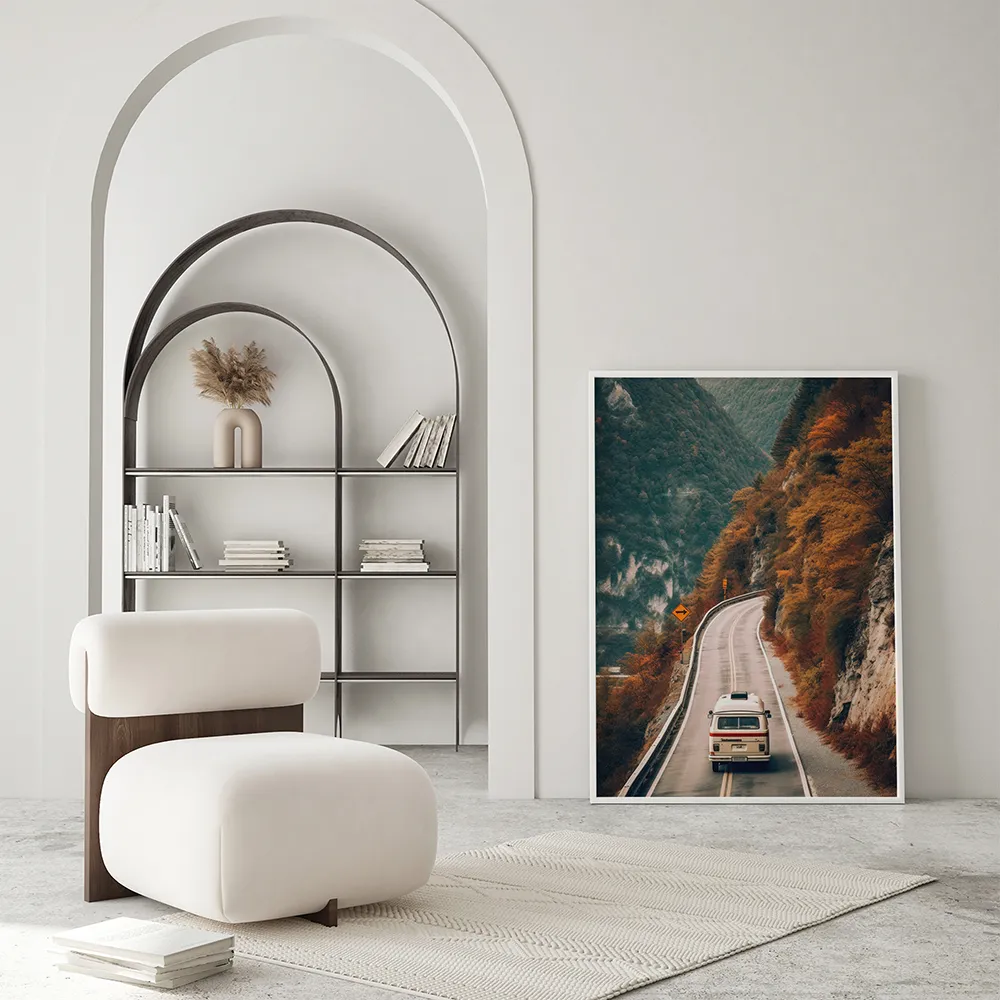
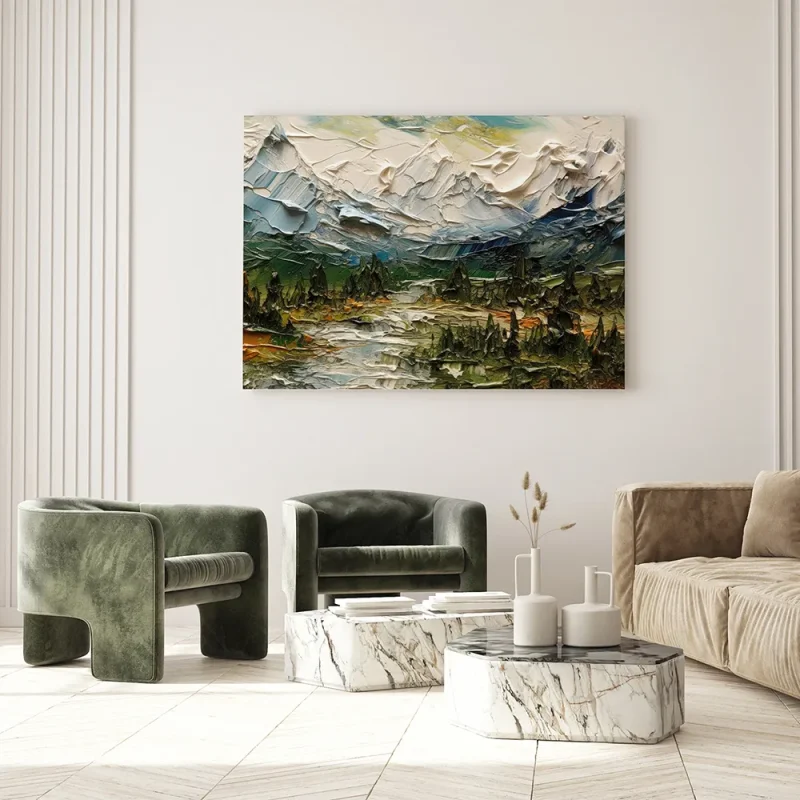
AI-generated art has ignited intense debates about ethics and authenticity. Can a machine truly create something original, or does it merely mimic existing styles? These questions challenge our traditional understanding of creativity and raise issues around intellectual property and ownership.
Critics argue that AI-generated art risks devaluing the human element in artistic expression. As machines play an increasing role in creation, concerns about the diminishing input of human skill and emotion become more pressing. These debates are crucial in defining the role of AI in the evolving artistic landscape.
Democratizing Art Through AI: Accessibility and Inclusivity
One of AI’s most profound impacts is its ability to democratize art. Advanced tools now enable individuals without formal training to create impressive works, lowering traditional barriers to entry. This accessibility empowers more voices and fosters diversity within the art world.
AI also promotes inclusivity by allowing for personalized artistic experiences. Audiences from diverse cultural and social backgrounds can connect with art that resonates uniquely with them. By making art more accessible, AI enriches the global creative landscape and makes artistic expression a universal language.
AI also plays a significant role in critiquing and analyzing art. By dissecting patterns, colors, and styles, AI provides fresh insights into both historical and contemporary works. This analytical capability deepens our appreciation of art across cultures and eras, bridging the gap between technology and tradition.
-
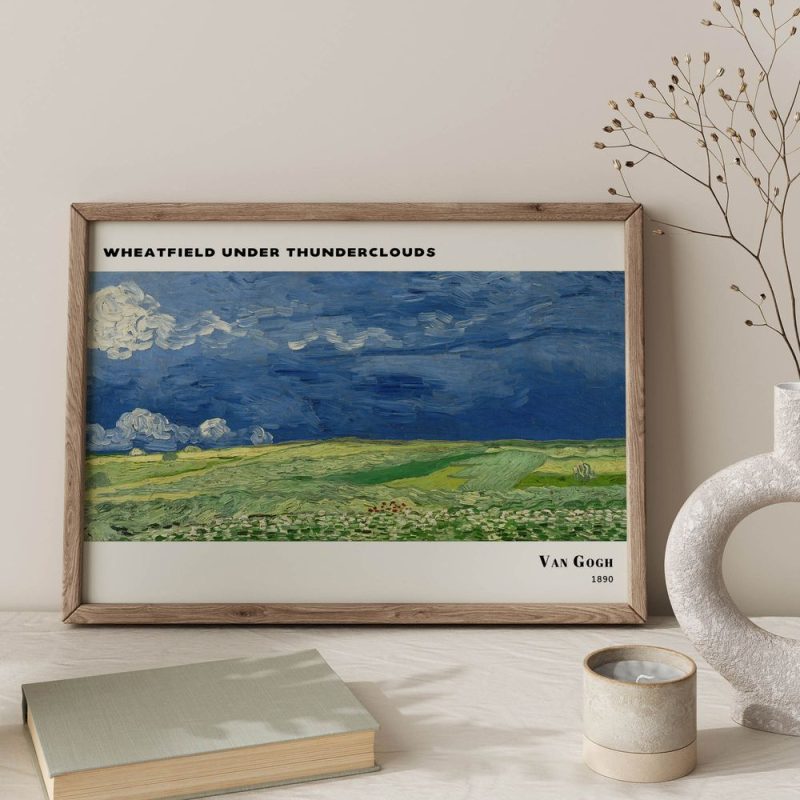
 Wheatfield under Thunderclouds by Van Gogh from $17.9
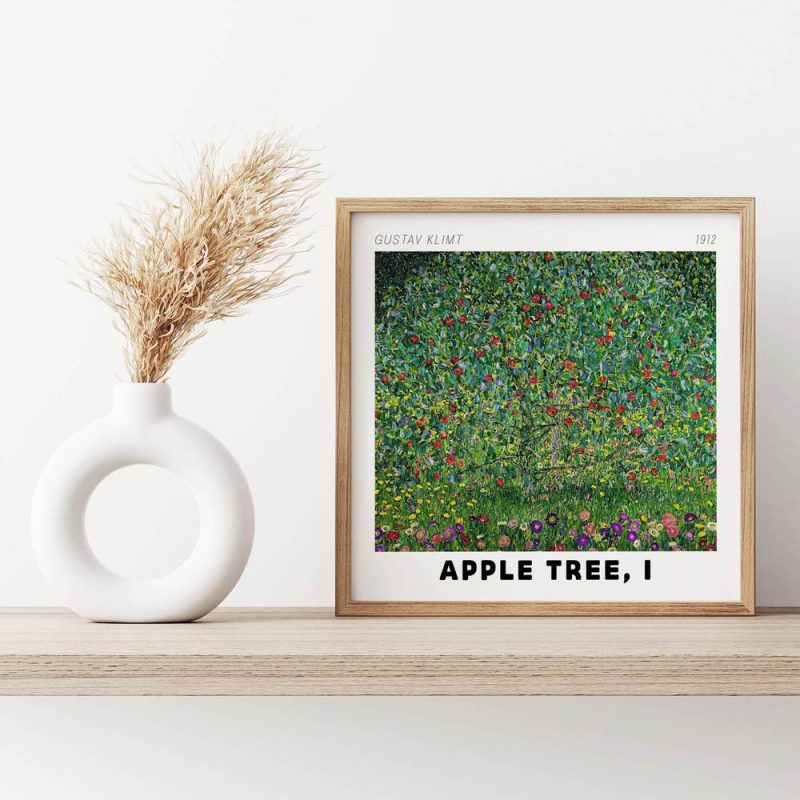
- Apple Tree, I by Gustav Klimt from $17.9
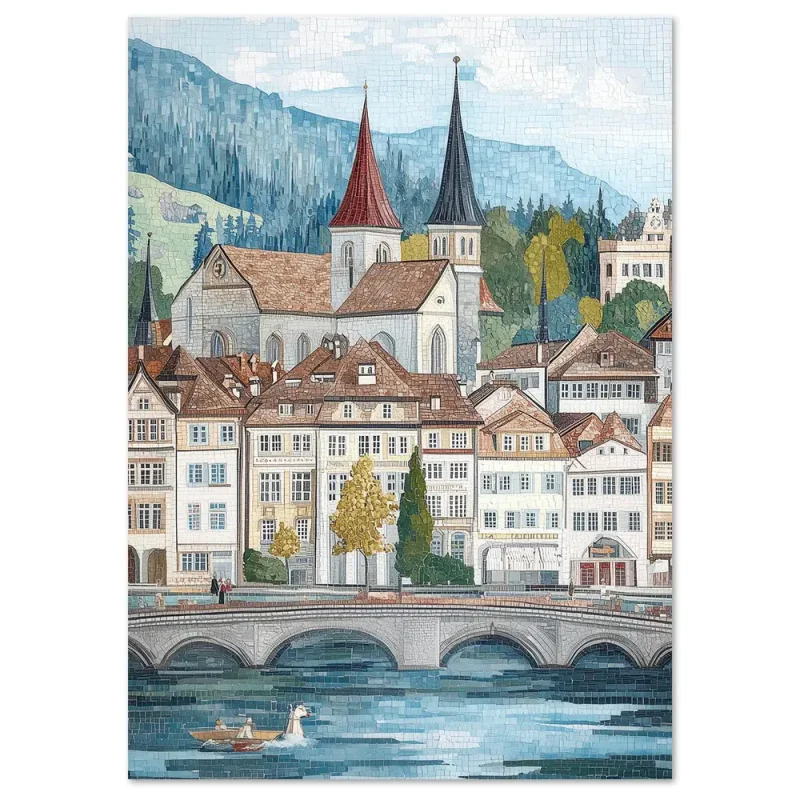
- Swiss Riverside Harmony, Kids Art Print from $13.9
Democratizing Art Through AI: Accessibility and Inclusivity
One of AI’s most profound impacts is its ability to democratize art. Advanced tools now enable individuals without formal training to create impressive works, lowering traditional barriers to entry. This accessibility empowers more voices and fosters diversity within the art world.
AI also promotes inclusivity by allowing for personalized artistic experiencesAudiences from diverse cultural and social backgrounds can connect with art that resonates uniquely with them. By making art more accessible, AI enriches the global creative landscape and makes artistic expression a universal language.
The Future of AI in Art: What Lies Ahead?
The future of AI in art promises boundless possibilities. As technology advances, AI will create increasingly complex and emotive art, further challenging traditional definitions of creativity. This evolution could give rise to entirely new genres and artistic movements.
Artists may shift their roles, focusing more on vision and conceptualization while collaborating with AI to execute their ideas. This partnership could redefine the artist’s place in society, celebrating the fusion of human creativity and machine intelligence.
AI will also continue to influence how art is curated, critiqued, and consumed. New technologies will offer innovative ways to engage with art, creating richer, more immersive experiences for audiences worldwide.
Conclusion: Embracing the AI-Driven Artistic Landscape
The intersection of art and AI is reshaping the creative landscape, offering endless possibilities for innovation. By embracing AI, artists and audiences alike can expand their understanding of creativity and explore the limitless potential of artistic expression.
As AI continues to evolve, it fosters new dialogues and collaborations that enrich the art world. By welcoming this technology, we pave the way for a future where art transcends boundaries and celebrates diversity. Together, we can imagine a world where creativity knows no limits.